

High Altitude Hiking, Skiing & Adventuring
Altitude sickness is a series of symptoms that a person feels when they go to high elevation too quickly. Many people doing high altitude hiking can feel this when they attempt to summit high peaks. Also common in the winter, altitude sickness affects travelers who come to higher elevations for a skiing holiday. Studies show that some form of altitude sickness affects roughly half of people who travel to over 8,000 feet elevation. A study published in 1999 says that 75% of people who travel to over 10,000 feet will be affected by mild altitude sickness. Altitude sickness usually begins 24-48 hours after a jump in elevation.


What is ‘High Elevation’
Elevation is the amount of distance above sea level. Most major cities are built at roughly sea level (NYC = 33 ft above sea level, San Francisco = 52 feet above sea level). In contrast, Denver is known as the “Mile High City” and is at 5,280 feet above sea level. For travelers flying in to Denver from sea level, that’s a big jump! Once you drive to ski hill or trail head, you are often at 8,000 feet elevation or more. A ski lift can easily take you to 11,000 feet or more above sea level (the high speed Imperial Chair lift at Breckenridge, CO takes skiers to 12,840 feet!). A major goal of hikers is to summit a 14er, bringing you to over 14,000 feet elevation. Extremely high elevation is considered to be anything over 18,000 (Himalayas, Denali, Mt. Logan Canada)
Why is it hard to breathe?
Every foot above the sea, there is less gravity squishing down on the atoms within the atmosphere. The pressure of the air is called the barometric pressure. At sea level, the oxygen concentration is about 21% per volume of air you breathe in, and the barometric pressure is 760 mmHg. As you rise in elevation, the barometric pressure drops, and fewer oxygen atoms are available per breath. At 12,000 feet, the barometric pressure is only 483 mmHg, and there are roughly 40% fewer oxygen molecules in each breath.
To make up for this lower amount of oxygen, your breathing rate increases.
Types of Altitude Sickness
Three types of altitude sickness exist:
High Altitude Pulmonary Edema (HAPE)
High Altitude Cerebral Edema (HACE)
Acute Mountain Sickness (AMS) also called Altitude sickness is very common, and is the mildest form of altitude sickness. Symptoms are often described as those of a hangover: headache, nausea, dizziness, muscle aches.
HAPE is a buildup of fluids in the lung. An edema is swelling of tissues caused by the buildup of fluids. In the case of HAPE, this fluid is building up in the lungs. Your fingernails, skin, and whites of they eyes can turn blue, a condition called cyanosis signal a lack of oxygen. Shortness of breath, even while resting and confusion are early symptoms of HAPE. Extreme fatigue, weakness, and tightness in the chest or suffocation even when resting may also occur. A persistent cough bringing up watery fluid may also be present. This is a serious condition and must be treated medically.
HACE is also a buildup of fluids, but this time, in the brain. Headache, confusion and loss of coordination are caused by the swelling of the brain. Weakness and psychotic or violent behavior may occur, followed by coma. This condition is life threatening and needs immediate medical attention.
Who Gets Altitude Sickness?
Anyone can get altitude sickness! Young, old, fit, unfit, it doesn’t matter! Adding physical exertion while at altitude increases your chances of suffering from at least mile altitude sickness. How high you go up, how quickly, and at what elevation you sleep can affect the presence and severity of symptoms.

How to prevent altitude sickness
As in most things in life, going slow will spare you discomfort and heartache. Acclimatization allows your body to adjust to different oxygen levels. For hikers and mountain climbers, this may mean spending a day midway up the mountain before moving higher. This is the reason an expedition to Mount Everest can take weeks: climbers must slowly acclimate to higher altitudes and under extreme conditions. Plan your hike, climb, or ski trip with an eye to changes in elevation.
What to do if you get altitude sickness
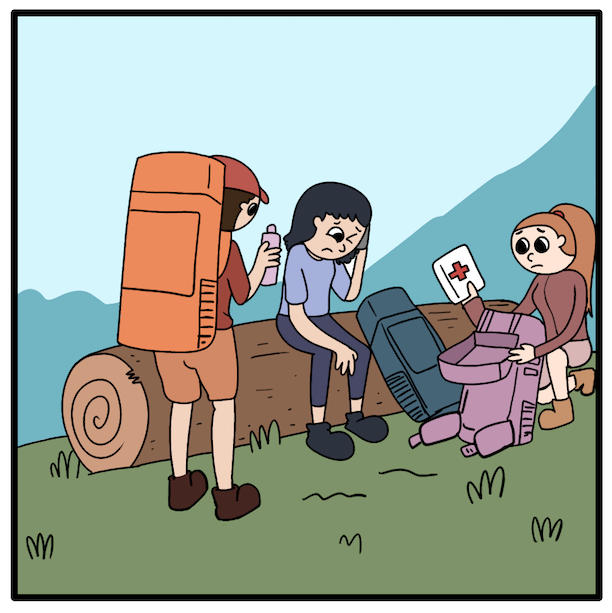
If you recognize symptoms of altitude sickness in yourself or a partner or group member, act quickly. Take the affected person down in elevation as quickly as possible: walk down the trail, ski carefully down the mountain, back climb on your route. Symptoms of mild altitude sickness will resolve themselves once you are at a lower altitude. Then, rest and hydrate. If you plan to return to higher altitude, do so more slowly.

Some guidelines:
- Plan to rest at the initial higher elevation for at least 24 hours if you fly or drive to high elevation.
- Plan to gain only 1,000 feet per day if you are above 10,000 elevation, and for every 3,000 feet gained, spend a rest day at that elevation.
- Climb high and sleep low: if you are climbing above 10,000 feet for the first time, sleep at a lower elevation. This is key for skiers!
- Know your body! Do not “stretch” your physical abilities beyond what you are comfortable with. Knowing and being able to recognize symptoms early is key in preventing more severe AMS. If you start experiencing symptoms, go down as fast as safely possible!
- Stay hydrated! To keep your body hydrated in drier, high elevation air drink at least 3-4 quarts of water. Consider increasing that much if you are exerting yourself physically (hiking, skiing, climbing) or are in warm weather.
- Eat! And eat carbs. General recommendation is to try for at least 70% of your calories should be from carbohydrates.
- Limit alcohol, tobacco, and depressant medications like sleeping pills, that decrease respiration. Limit other recreational drugs that may impair your ability to recognize AMS symptoms. Alcohol can contribute to dehydration.
- Take your first aid kit: ibuprofen can alleviate headache. If trained and in cases of HAPE, nifedipine can be used. If you are on an organized high altitude expedition, be sure to inquire about tools like Gamow bags.
These are general guidelines; you may want to consult with your physician if you are concerned about traveling to and adventuring at new, higher elevations.
So how do you acclimatize?
More on acclimatization next week!